

Ku-ring-gai Chase National Park: Wildlife & nature from the water
Ku-ring-gai National Park
A national park best experienced from the water
Bordering much of Pittwater and the Hawkesbury River, Ku-ring-gai Chase National Park is one of Australia’s oldest national parks — and one of its most striking.
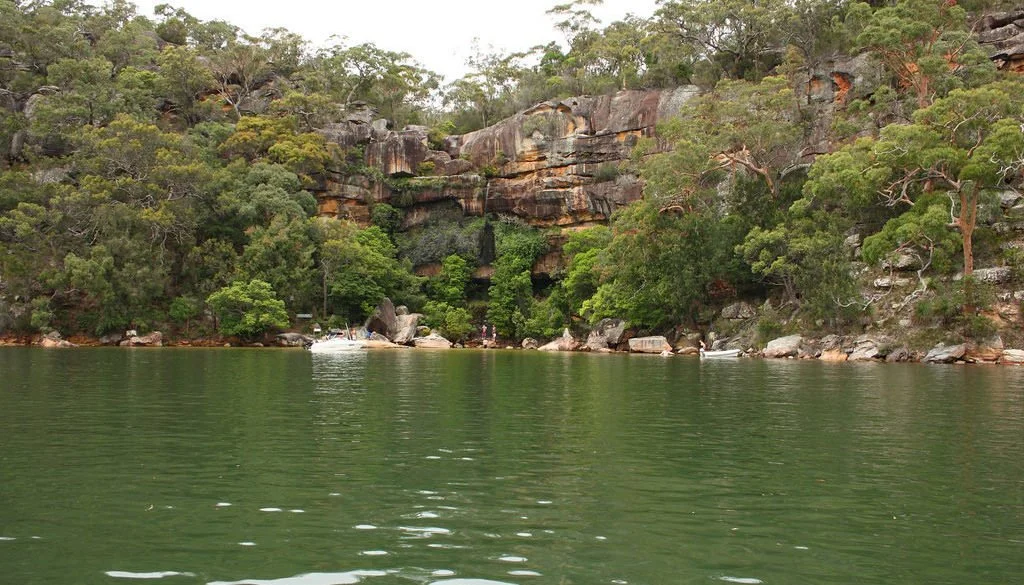
From the water, the park reveals itself in a way that’s difficult to appreciate from land. Sandstone cliffs rise directly from the shoreline, bushland spills down to the water’s edge, and quiet coves feel untouched and timeless. Exploring this landscape by boat offers a front-row seat to nature, without crowds or footpaths.
A living landscape shaped over time
Ku-ring-gai Chase National Park protects more than 14,000 hectares of bushland, waterways and sandstone country. The park’s rugged terrain has helped preserve its natural character, making it feel wild despite its proximity to Sydney.
From the boat, you’ll notice:
Sheer sandstone walls carved by time
Dense eucalypt forest reaching the shoreline
Narrow inlets and wider bays that change with the light
The water softens the scale of the landscape, allowing you to take it in slowly and quietly.
Birdlife along the shoreline
One of the most rewarding aspects of exploring Ku-ring-gai Chase by water is the birdlife.
Common sightings include:
White-bellied sea eagles gliding overhead
Ospreys scanning the water before diving for fish
Herons and egrets standing patiently along the shore
Kingfishers flashing blue as they dart between branches
Birds are often more relaxed around boats moving slowly, making the water an ideal place to observe them without disturbance.
Marine life beneath the surface
The sheltered waterways that edge the national park are home to a rich variety of marine life, much of it quietly going about its day beneath the surface.
From the boat, you may see:
Schools of fish moving through clear water
Rays gliding silently along the shallows
Dolphins passing through quieter stretches from time to time
The area is also known to be home to little penguins and Australian fur seals, which occasionally make appearances in the wider Pittwater and Hawkesbury region. Sightings are never guaranteed, but knowing these animals share the waterways adds to the sense that you’re moving through a living, connected ecosystem.
These moments tend to arrive unexpectedly — and are often remembered long after the day ends.
A calmer way to connect with nature
What makes exploring Ku-ring-gai Chase by boat so special is the pace. There’s no need to rush between locations or follow a set route. You drift, observe and listen. The sounds of traffic fade away, replaced by birdsong, wind through trees and water against the hull.
Many people find that simply sitting quietly in a sheltered bay, surrounded by bushland, becomes one of the most memorable parts of their charter.
Changing moods through the day
The park looks different depending on the time of day.
Morning often brings soft light, calm water and increased wildlife activity
Midday highlights the contrast between blue water and warm sandstone
Late afternoon brings long shadows and golden tones across the cliffs
These subtle shifts give the feeling that the landscape is constantly evolving.
Why seeing it from the water feels different
From land, Ku-ring-gai Chase is experienced through tracks and lookouts. From the water, it feels immersive and continuous. You’re not just visiting the park — you’re moving through it, with the shoreline unfolding gradually around each bend. This perspective creates a deeper sense of connection and calm.
Who this experience suits best
Exploring Ku-ring-gai Chase by water appeals to:
Nature lovers and wildlife enthusiasts
Families wanting a gentle outdoor experience
Photographers drawn to light, texture and reflection
Anyone seeking quiet moments away from busy places
It’s not about ticking off sights — it’s about slowing down and noticing what’s around you.
